January 2, 2026
As urban and suburban development continues to encroach on natural habitats, interactions between humans and wildlife are becoming more frequent, complex, and sometimes dangerous. From deer wandering into city streets to raccoons raiding attics, these encounters are no longer isolated events—they are everyday challenges that affect homes, farms, and public spaces. Beyond mere inconvenience, wildlife-related issues can result in property damage, threats to public safety, agricultural losses, and even the spread of diseases. Effective wildlife control is essential for addressing these challenges, providing strategies that protect both people and the environment.
The scope of the problem is striking. According to Forbes, pest infestations have affected 40% of Americans, illustrating just how widespread wildlife-related issues are in residential and commercial settings. This statistic underscores the importance of proactive measures that prevent conflicts and maintain the delicate balance between human populations and the natural world.
Wildlife control is more than just a reactive service; it is a comprehensive approach that combines prevention, education, and humane intervention. It involves understanding animal behavior, implementing technological solutions, and collaborating with communities to reduce risks. From safeguarding property and livestock to preserving biodiversity and preventing disease, wildlife control serves as a vital tool for ensuring public safety, ecological health, and harmonious coexistence with nature.
In the sections that follow, we will explore the many ways wildlife control helps mitigate human-wildlife conflicts, protect public safety, preserve ecosystems, and manage disease risks. By understanding the full spectrum of challenges it addresses, homeowners, farmers, and communities can make informed decisions that benefit both people and wildlife alike.
Managing Human–Wildlife Interactions in Residential, Agricultural, and Urban Spaces
Human–wildlife interactions are among the most visible challenges addressed through wildlife control. In agricultural areas, wildlife can damage crops, prey on livestock, and disrupt food production systems, creating financial strain for farmers and ranchers. Preventative strategies such as reinforced fencing, habitat management, and monitored deterrents help reduce these conflicts before losses occur. Advances in monitoring technology, including motion sensors and surveillance tools, allow for early detection and intervention, making prevention more effective and less disruptive.
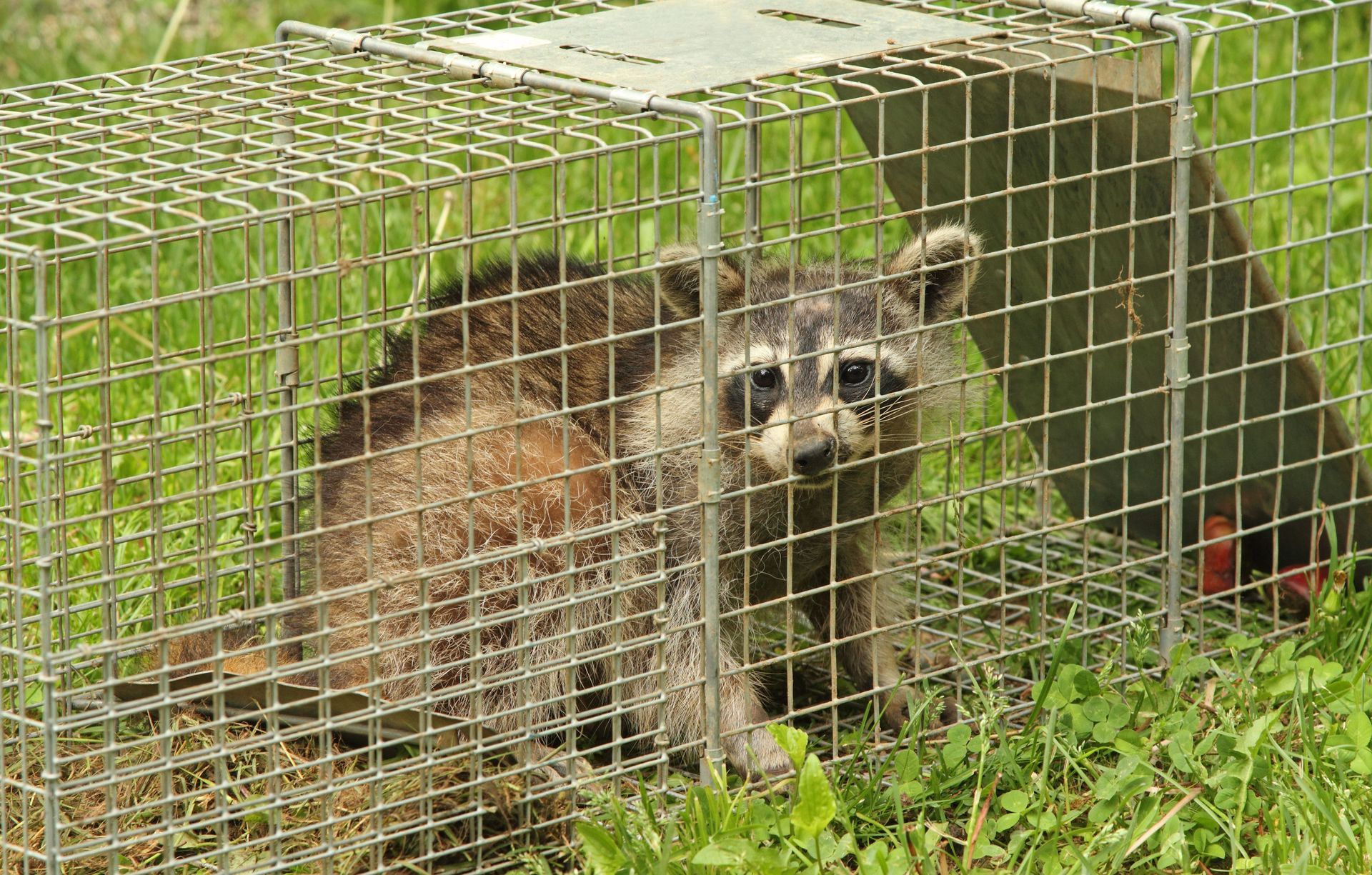
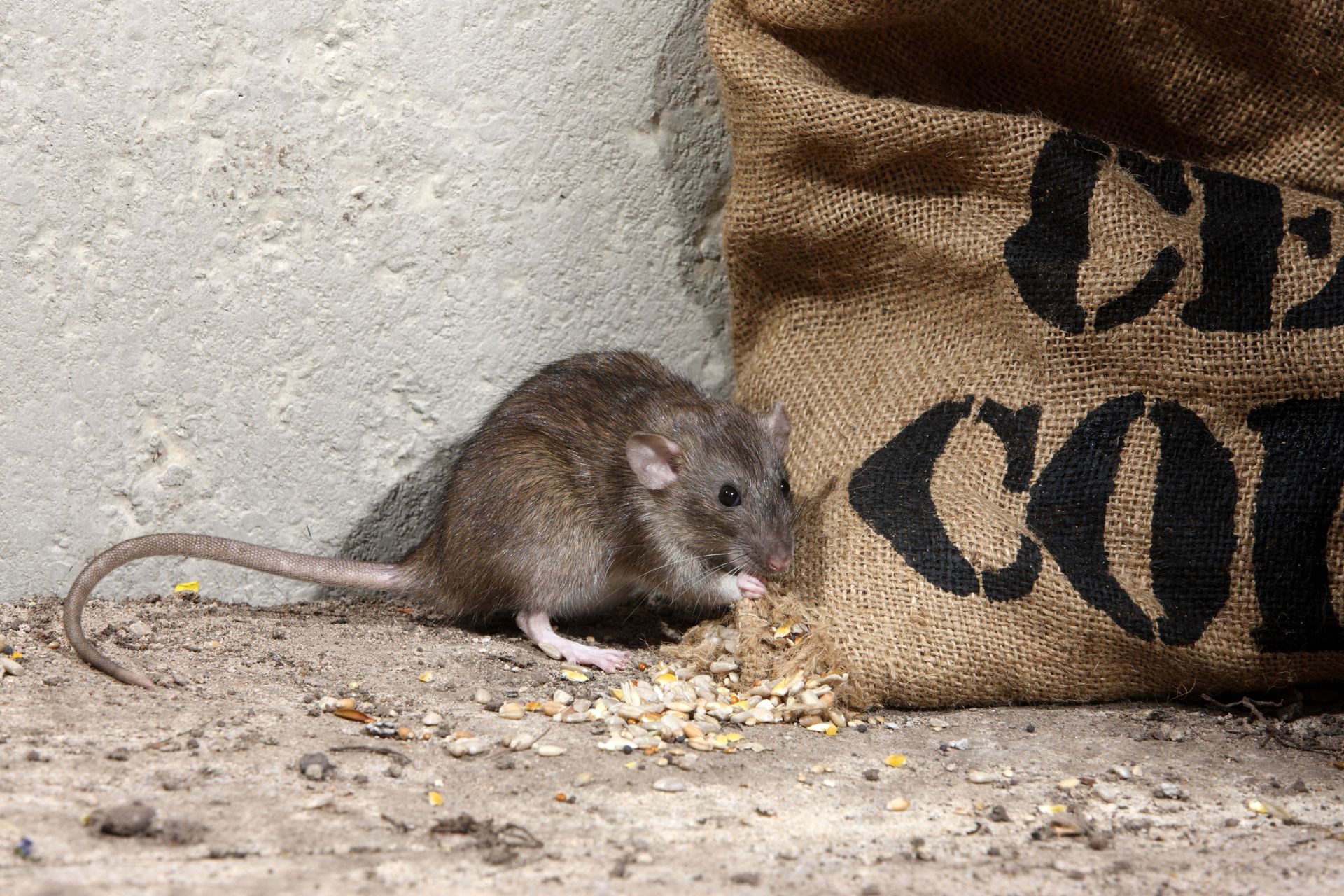
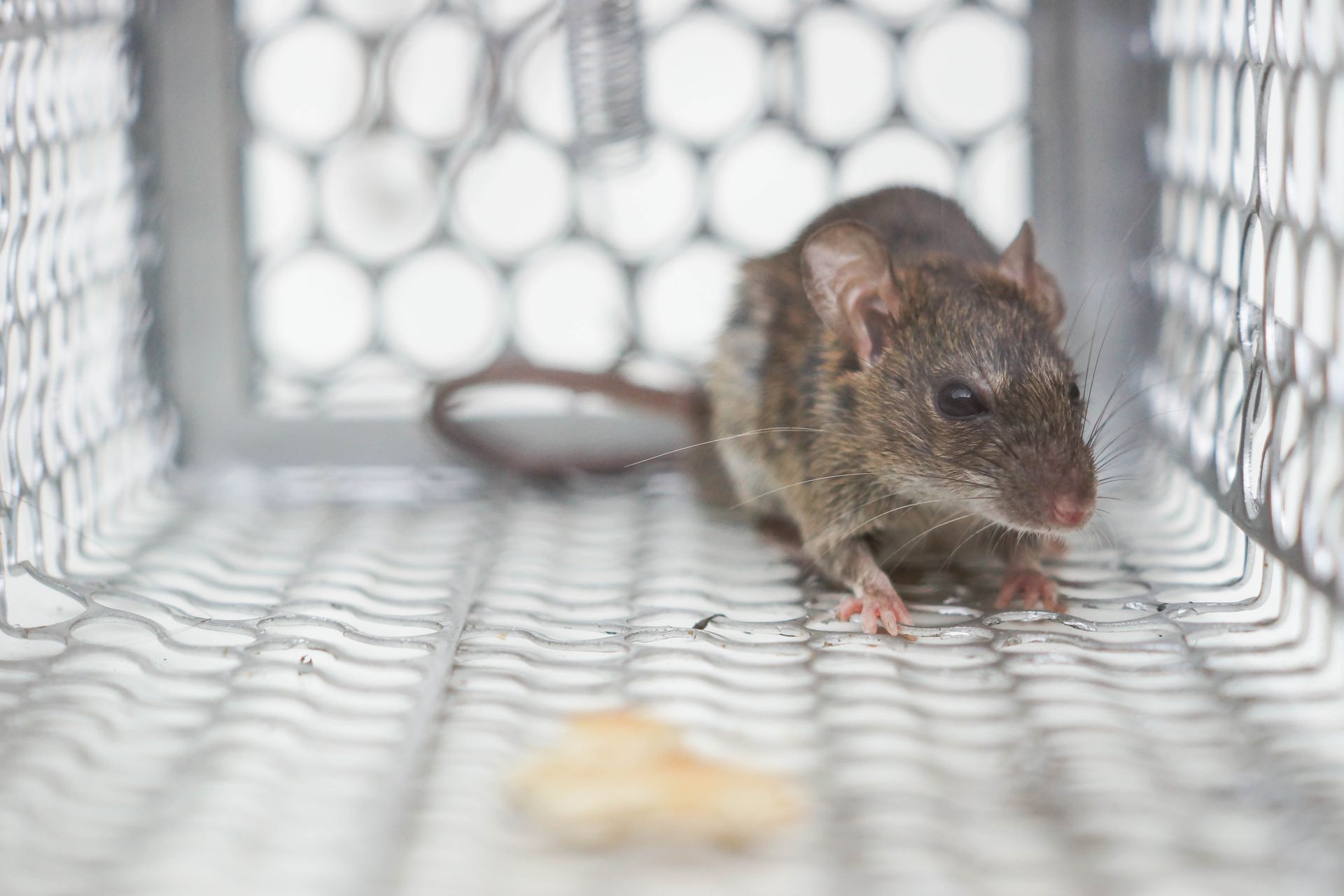
In residential and urban environments, wildlife encounters often center on safety concerns and nuisance behaviors. Animals like raccoons, squirrels, coyotes, and rodents are drawn to easy food sources, shelter, and warmth, frequently entering attics, garages, and crawl spaces. Wildlife control in these settings focuses on exclusion, sanitation, and humane removal methods that address the root causes of intrusion rather than temporary fixes. Community education plays a major role, helping homeowners understand how unsecured trash, pet food, and structural gaps attract animals in the first place.
Property damage is another common outcome of unmanaged wildlife activity. Chewed wiring, compromised insulation, roof damage, and burrowing can lead to costly repairs and potential fire or health hazards. Proactive wildlife control measures—such as sealing entry points, reinforcing vulnerable structures, and installing deterrent systems—protect property value while minimizing ongoing risk. Together, these approaches help communities coexist with wildlife more safely and sustainably.
Protecting Public Safety and Reducing Infrastructure-Related Risks
Public safety is a central priority of wildlife control efforts, particularly as wildlife adapts to human-dominated landscapes. Vehicle collisions involving animals are a serious concern, causing injuries, fatalities, and extensive property damage each year. Strategic solutions such as wildlife fencing, designated animal crossings, roadside reflectors, and improved signage reduce the likelihood of collisions while allowing animals to move safely through their natural ranges.
Beyond road safety, unmanaged wildlife can pose direct threats through aggressive encounters or disease transmission. As animals become habituated to human presence, the risk of bites, scratches, and exposure to pathogens increases. Wildlife control strategies emphasize prevention through habitat modification, public education, and policy enforcement that discourages feeding or sheltering wild animals. Municipal coordination ensures consistent standards that protect residents without harming wildlife populations.
Disease prevention is another key component of public safety. Wildlife can serve as carriers for zoonotic diseases such as rabies, Lyme disease, and avian influenza. Effective wildlife control includes monitoring programs, population management, and collaboration with public health agencies to reduce outbreak risks. These efforts protect not only individual communities but also regional health systems by limiting the spread of preventable diseases.
Preserving Biodiversity, Habitats, and Native Species
Beyond immediate human concerns, wildlife control plays a vital role in protecting ecosystems and preserving biodiversity. Habitat loss, invasive species, and environmental degradation threaten native wildlife populations and destabilize natural systems, which can have cascading effects on food webs and ecosystem services. Wildlife management efforts aim to restore balance by protecting critical habitats, regulating population levels, and preventing invasive species from overwhelming native flora and fauna.
Controlling invasive species is particularly important, as non-native animals often outcompete local species for food, shelter, and breeding grounds. Early detection, targeted removal, and long-term monitoring help limit their spread and reduce ecological damage, preventing invasive populations from irreversibly altering habitats. These efforts are most effective when supported by public awareness, community reporting, and educational initiatives that encourage responsible behaviors, such as avoiding the release of non-native animals into the wild.
Protecting endangered habitats requires collaboration between governments, conservation organizations, and local communities. Wildlife control professionals contribute through habitat assessments, restoration projects, and sustainable land-use planning that minimizes human impact while promoting natural regeneration. By safeguarding wetlands, forests, and migration corridors, these initiatives support not only individual species but entire ecosystems that provide essential services such as clean air, water purification, and climate regulation.
Supporting native species further strengthens ecosystem resilience and overall environmental stability. Native animals play essential roles in pollination, seed dispersal, soil health, and nutrient cycling, all of which are crucial for maintaining diverse and functional ecosystems. Wildlife control strategies that prioritize habitat restoration, population management, and mitigation of human-wildlife conflicts help ensure these species can thrive, preserving their ecological roles for generations to come.
Monitoring, Preventing, and Educating Around Wildlife-Related Diseases
Disease management represents one of the most critical and complex areas addressed by wildlife control. Monitoring wildlife populations for signs of illness allows for early detection of outbreaks that could impact humans, livestock, or other animals. Modern tools such as geographic information systems, laboratory testing, and predictive modeling improve accuracy and response time, enabling more targeted interventions.
Preventing zoonotic disease transmission requires close coordination between wildlife professionals, veterinarians, and public health officials. Vaccination programs, population monitoring, and habitat management all contribute to reducing disease risks. These strategies focus on long-term prevention rather than reactive treatment, benefiting both human communities and wildlife populations.
Public education is essential to successful disease prevention. When communities understand how diseases spread and what behaviors increase risk, they are better equipped to protect themselves. Educational campaigns emphasize avoiding direct contact with wildlife, securing homes properly, and reporting unusual animal behavior.
From protecting homes and farms to preserving ecosystems and safeguarding public health, wildlife control addresses a wide range of challenges that affect everyday life. With pest and wildlife issues impacting nearly half of American households, the need for responsible, professional management has never been greater. Thoughtful wildlife control balances human safety with environmental stewardship, offering solutions that are proactive, humane, and sustainable.
If wildlife activity is affecting your property, safety, or peace of mind, now is the time to act. Contact awildlife control professional at America's Wildlife & Pest Control to assess your situation and implement solutions that protect your home, your community, and the natural world we all share.