August 24, 2026
Property owners face challenges when animals breach residential boundaries. Raccoons, squirrels, and bats seek shelter inside attics and basements as weather patterns shift. These creatures cause structural damage and pose health risks to inhabitants. Securing a residence requires prompt action to mitigate property destruction and prevent disease transmission. Professional intervention remains the primary approach to handle invasive species. Experts possess the biological knowledge to address severe infestations with precision.
Finding a long-term resolution means moving beyond temporary patches. Effective wildlife removal strategies focus on sustainable practices that deter future invasions. Relying on specialized technicians guarantees adherence to environmental regulations and ethical treatment standards. Attempting amateur interventions worsens the situation or endangers unequipped inhabitants. A comprehensive approach involves assessing the property, identifying structural vulnerabilities, and implementing robust defenses. Property managers must explore fundamental techniques utilized by industry specialists to maintain secure living spaces.
1. Implementing Structural Exclusion Tactics
Creating physical barriers constitutes the primary defense against animal intrusions. Structural exclusion stops animals before they enter interior spaces. Specialists conduct inspections along rooflines, soffit vents, and foundations to locate access routes. Gaps in eaves or damaged chimney caps provide pathways for raccoons and nesting birds. Professionals seal these vulnerable areas with durable materials like galvanized steel mesh or heavy-duty sealants. This physical block denies reentry to opportunistic creatures seeking shelter.
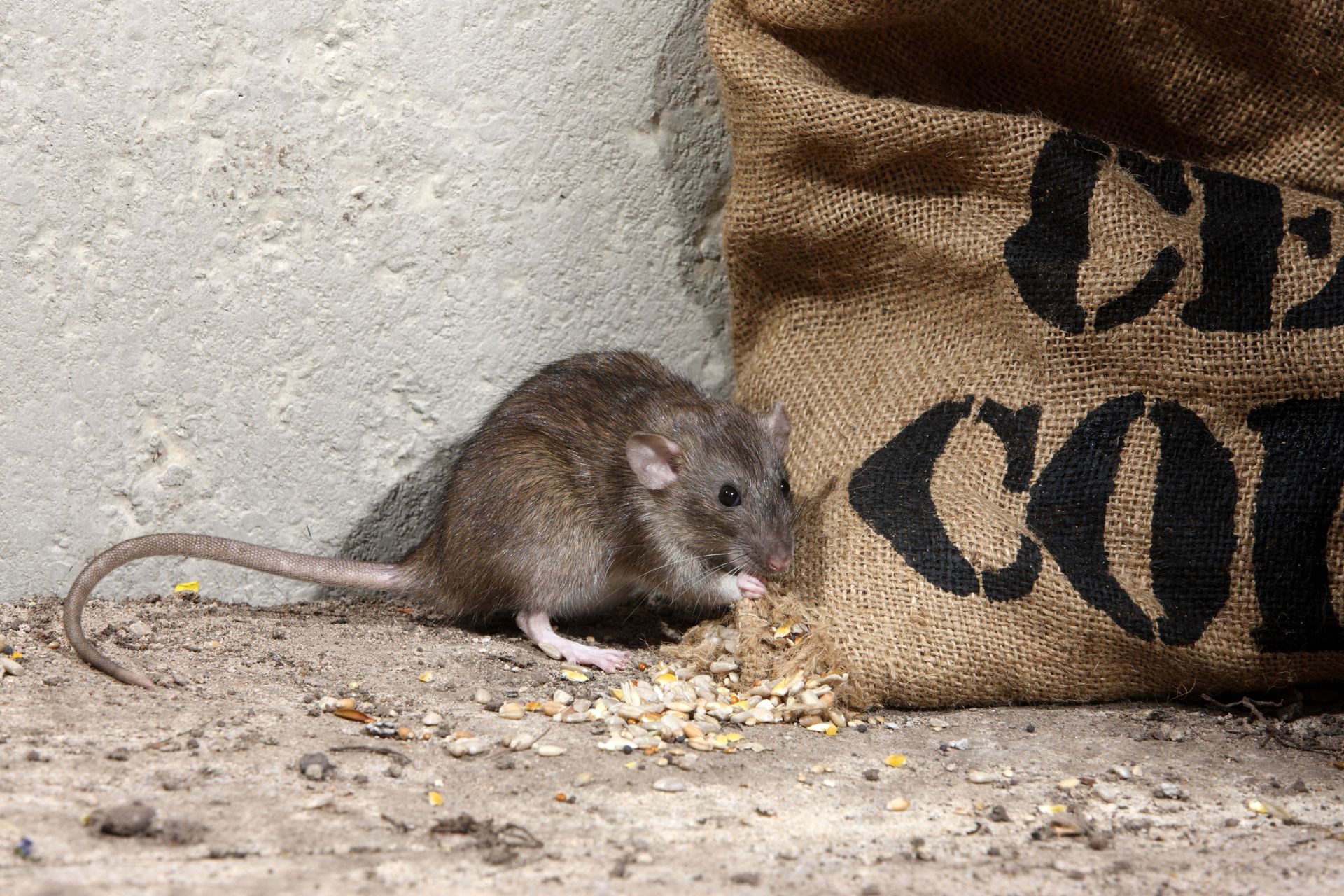
According to the Centers for Disease Control and Prevention, mice can fit through openings about the width of a pencil (a quarter of an inch), which is why sealing entry points works well for rodent prevention. Tiny cracks around plumbing pipes or settling foundation slabs grant access to determined pests. Thorough inspections identify these vulnerabilities that untrained eyes miss. Addressing these minimal gaps establishes a secure perimeter around the structure.
Permanent exclusion materials must withstand chewing, scratching, and severe weather degradation. Standard foam sealants fail to stop rodents armed with sharp incisors. Experts select industrial-grade barriers that resist gnawing and immense physical force. Proper installation requires specific heavy-duty tools and advanced construction knowledge to ensure seals remain intact over extended timeframes. Weak materials degrade under pressure and invite secondary infestations later.
Executing structural exclusion demands a complete understanding of animal behavior. Raccoons can tear off loose shingles or weak vent covers. A wildlife removal team anticipates aggressive behaviors and reinforces weak access points in response. Technicians apply rigid iron screens and custom-fitted heavy metal plates to outsmart capable animals, providing lasting security for the residence.
2. Modifying Exterior Habitat Environments
Animals inhabit properties offering abundant food, accessible water, and protective shelter. Altering the exterior landscape makes the area unappealing to diverse invasive species. Unsecured garbage cans act as primary attractants for wandering opossums and hungry raccoons. Securing organic waste in animal-proof containers eliminates this constant food source. Removing fallen fruit from trees disrupts the micro-ecosystem supporting encroaching pests.
Overgrown dense vegetation provides excellent cover and hidden travel routes for nuisance animals. Extended tree branches touching the roofline allow agile squirrels and roof rats direct access to the attic. Trimming these long branches from the structure severs this convenient arboreal bridge. Thick foundational brush gives rodents a hidden staging area to search for entry points unseen. Clearing out dense shrubbery forces animals to cross open ground, exposing them to aerial predators.
Stagnant water creates essential drinking sources for local fauna. Leaky hoses, birdbaths, or poor drainage systems sustain large animal populations during dry periods. Fixing exterior plumbing leaks removes a vital resource required for basic biological survival. Property owners must ensure gutters drain and channel excess moisture from the building exterior. Eliminating these attractive water features discourages diverse animals from establishing permanent nests.
Exterior habitat modification serves as a fundamental preventative foundation for comprehensive wildlife removal. Changing the local environment forces existing pest populations to seek necessary resources elsewhere. Without adequate sustenance and safe dense cover, the property becomes uninhabitable for wandering fauna. Professional landscape services perform exhaustive environmental audits to pinpoint obscure attractants. Implementing their specific structural recommendations transforms a vulnerable property into an inhospitable zone for dangerous animals.
3. Utilizing Professional Trapping Techniques
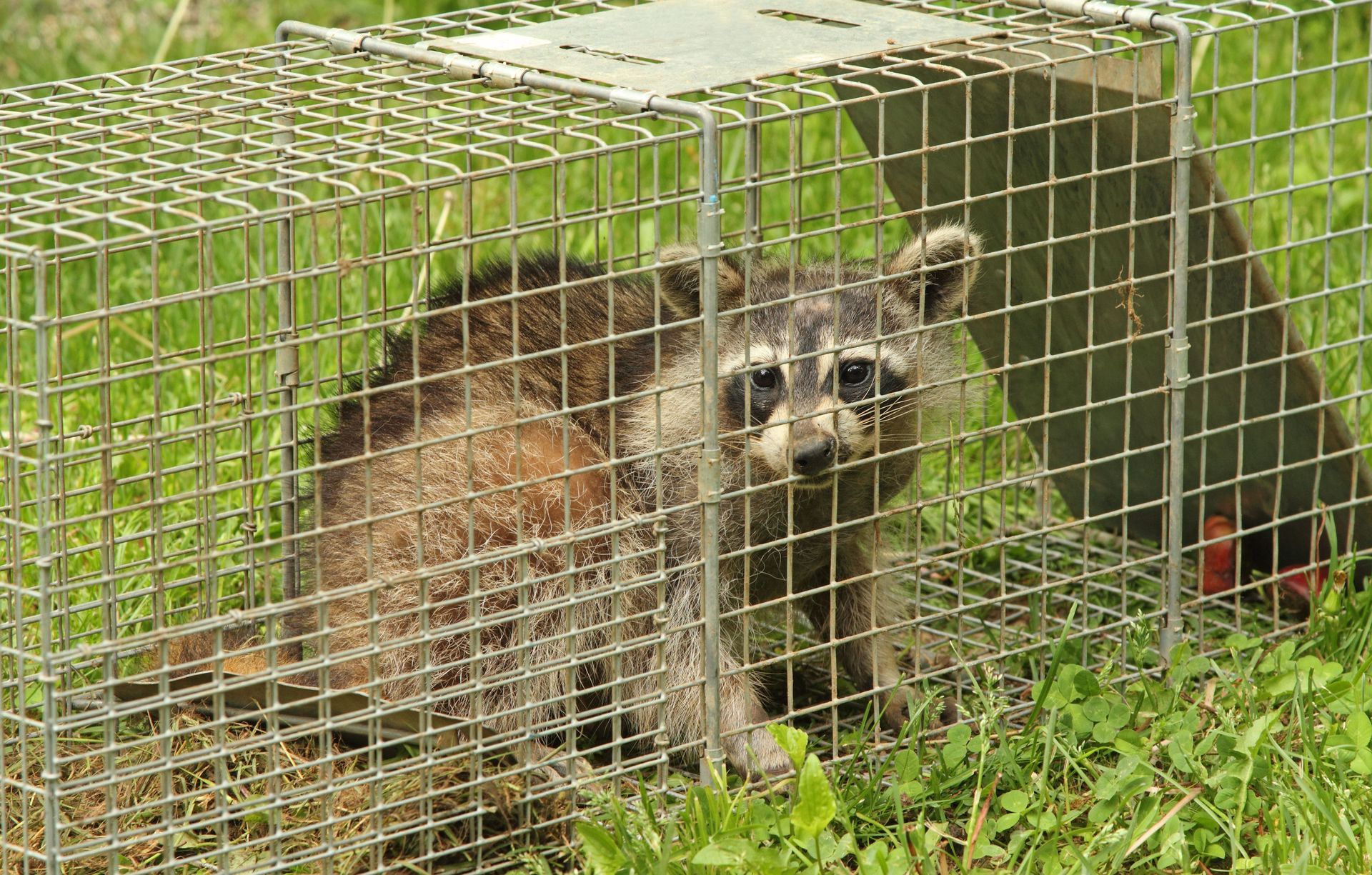
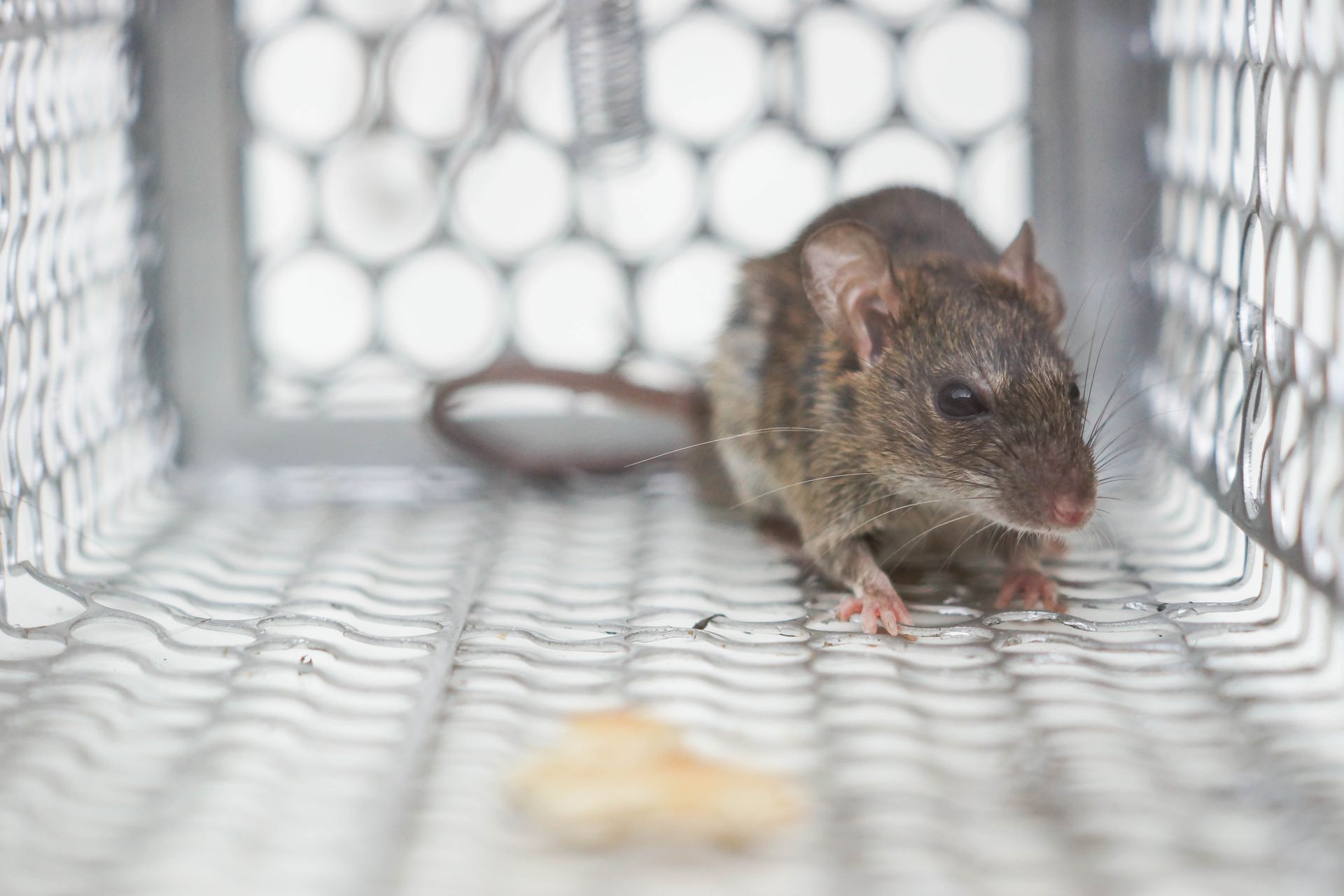
Active infestations require physical intervention to extract entrenched animals from compromised premises. Live trapping remains a standard, ethical practice to extract stubborn occupants from attics or crawlspaces. Amateurs deploy incorrect traps, leading to injured animals or captured non-target species. Specialized technicians understand the precise trap dimensions required for different animal physiologies. They deploy advanced species-specific devices designed to secure the target animal without inflicting physical harm.
Strategic trap placement determines the ultimate success rate of the physical extraction process. Seasoned specialists identify active dirt runways, hidden nesting areas, and distinct feeding zones within the building structure. Placing intricate devices in these confirmed high-traffic locations maximizes the overall capture probability. Experts avoid placing metal traps in open areas accessible to domestic household pets, ensuring safe operational protocols and efficient target acquisition.
Specific bait selection plays a crucial role in enticing wary species into deployed devices. Sweet baits attract raccoons while minimizing the unintended risk to roaming stray felines. Specialized nut-based lures draw cautious squirrels out of nesting cavities. Professionals blend specific, complex scent profiles that exploit the unique foraging habits of the target creature. The correct, scientifically formulated bait guarantees rapid capture and minimizes the extended duration of the infestation.
Once a creature is captured, humane relocation or legal disposition must follow municipal regulations. Many local jurisdictions mandate strict rules regarding moving certain species across county lines to prevent rampant disease spread. A professional wildlife removal service handles transportation and release procedures following state laws. They possess the necessary government permits to transport protected or legally regulated species. This adherence to environmental legal protocols shields the property owner from fines.
4. Applying Advanced Repellent Strategies
Sensory repellents create an invisible barrier based on scent or sound to deter encroaching animals. Chemical and natural deterrents exploit an animal's innate fear of predators or aversion to odors. Predator urine placed along the property line mimics the distinct presence of dangerous coyotes or foxes. This perceived threat causes timid prey animals to flee the immediate vicinity. These olfactory boundaries require strategic application for maximum effect.
Modern electronic devices offer another functional layer of targeted deterrence without relying on messy chemical applications. Ultrasonic emitters broadcast irritating high-frequency sounds that bother the sensitive hearing organs of mice and bats. Advanced motion-activated sprinkler systems startle grazing deer and curious raccoons trespassing on pristine residential lawns. These technological solutions provide continuous monitoring and deterrence throughout the night. Technicians position these units to cover vulnerable perimeter zones without disrupting human residents.
Aromatic repellents function as reliable supplemental measures rather than independent solutions. Heavy rain and intense direct sunlight degrade scent-based chemical products over time, requiring frequent reapplication. Intelligent animals may habituate to auditory deterrents if the broadcast sound remains constant and predictable. Experts alternate different potent repellent types to prevent the local fauna from adapting to the stimuli. Combining multiple sensory deterrents with solid physical barriers establishes an unbreachable home defense system.
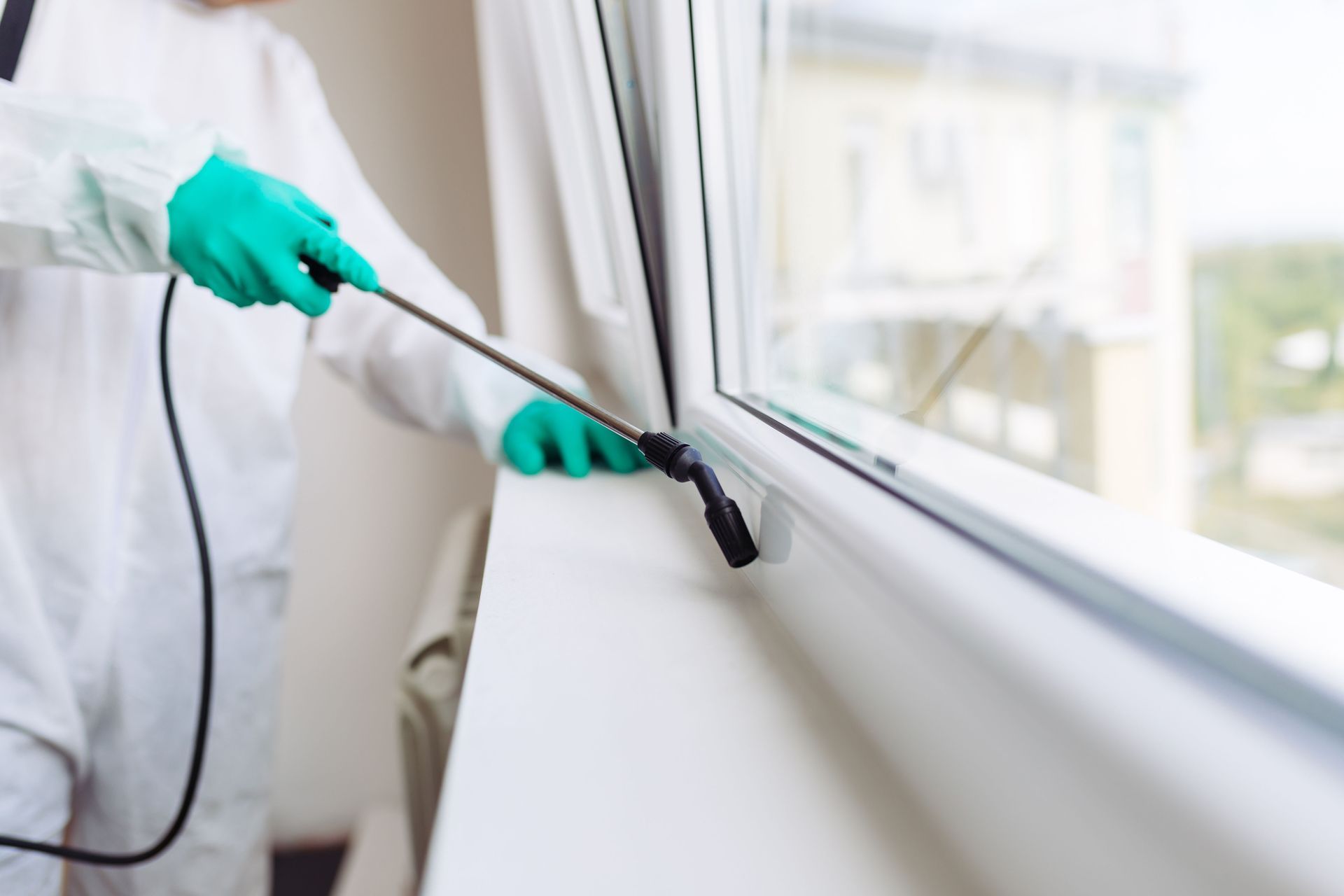
Selecting the optimal active repellent requires an intimate knowledge of the target species' distinct biology. Commercial-grade deterrents offer far greater efficacy than weak store-bought remedies. Professional wildlife removal experts supply potent industrial-strength products tailored for the exact biological problem. They apply these potent substances in optimal locations like deep burrow entrances or dark attic voids. This targeted, precise approach maximizes the strong repellent effect and expedites the eviction process.
Dealing with untamed creatures carries inherent risks that amateurs should avoid. Contacting a dedicated professional wildlife removal service provides the safest path to a secure, animal-free environment. These experts possess the tools, knowledge, and legal permits to execute complex extractions with precision. Securing professional assistance protects residential properties from persistent ecological threats. When you need a permanent solution to persistent animal intrusions, reach out to our dedicated team at America's Wildlife & Pest Control. We deliver professional wildlife removal services tailored to comprehensively safeguard your home and restore your peace of mind.