June 25, 2026
Understanding the profound importance of regular pest control in maintaining a clean, safe, and healthy living environment is a fundamental responsibility for every modern homeowner. Household intruders, including structural insects and invasive rodents, are significantly more than mere aesthetic nuisances; they pose severe health risks to your family and cause devastating structural damage to residential properties. Minor infestations frequently disrupt a secure household environment, leading to compromised hygiene, ruined electrical systems, and long-term safety hazards.
This comprehensive guide outlines critical industry warnings designed to help protect your real estate asset from invasive wildlife and bugs. By carefully considering these expert warnings, property owners can effectively mitigate structural risks, save thousands of dollars in unnecessary repairs, and make deeply informed decisions regarding home maintenance practices. Managing a property requires vigilance, and staying ahead of pest cycles is the best way to safeguard your investment over time.
Warning 1: The Hidden Risks of DIY Elimination Methods
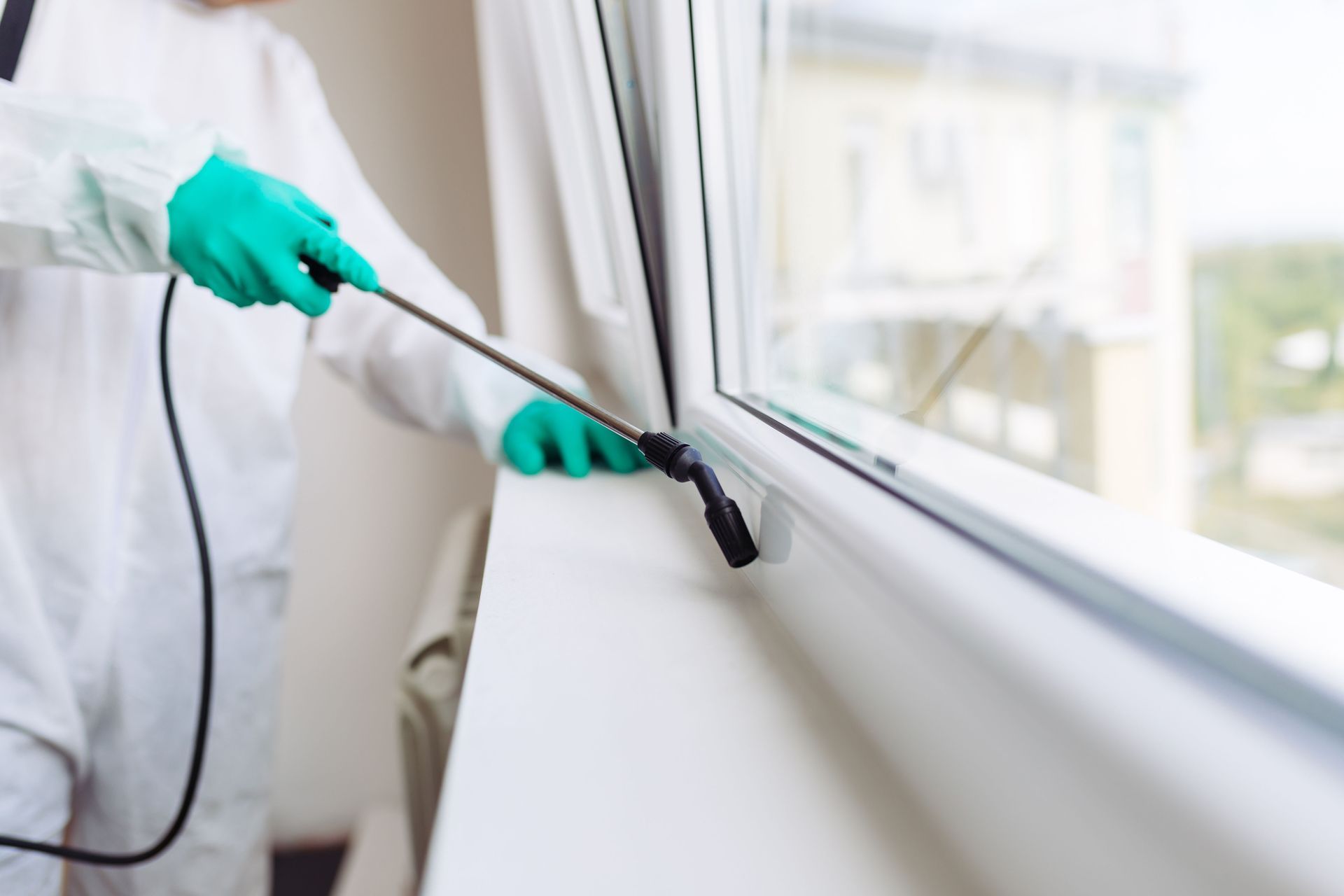
Retail extermination options available over the counter are frequently marketed as effortless, immediate fixes for complex infestations. However, these generic retail solutions fall short because they are never engineered to address the unique behavioral patterns of specific biological infestations. Over-reliance on consumer chemical sprays creates a false sense of security while hidden breeding colonies continue to expand deep within your walls.
Furthermore, the misuse of consumer products introduces dangerous health hazards into your living spaces. Many DIY options involve volatile chemical formulations that are highly toxic to humans and domestic animals if handled incorrectly. Inaccurate species identification can also lead to inappropriate treatment choices, wasting valuable time and financial resources while allowing the insects to cause further property damage. Severe structural problems require specialized equipment, commercial safety gear, and advanced biological knowledge to locate and eradicate nesting colonies safely.
National Statistics: Homeowners facing widespread biological activity should look to established experts rather than relying on hardware store remedies. According to the National Pest Management Association, nearly 13.29 million residential customers received professional pest control services in the U.S. during 2025.
Warning 2: Ignoring Chemical Dangers and Environmental Toxicity
Chemical treatments often contain heavy active ingredients that pose distinct hazards to human health and the surrounding ecosystem if used incorrectly. Commonly utilized retail formulas include intense synthetic chemicals engineered specifically to scramble the central nervous systems of target insects. While these chemical compounds are undeniably effective at killing bugs on contact, the environmental impact of chemical treatments extends far beyond immediate pest control metrics.
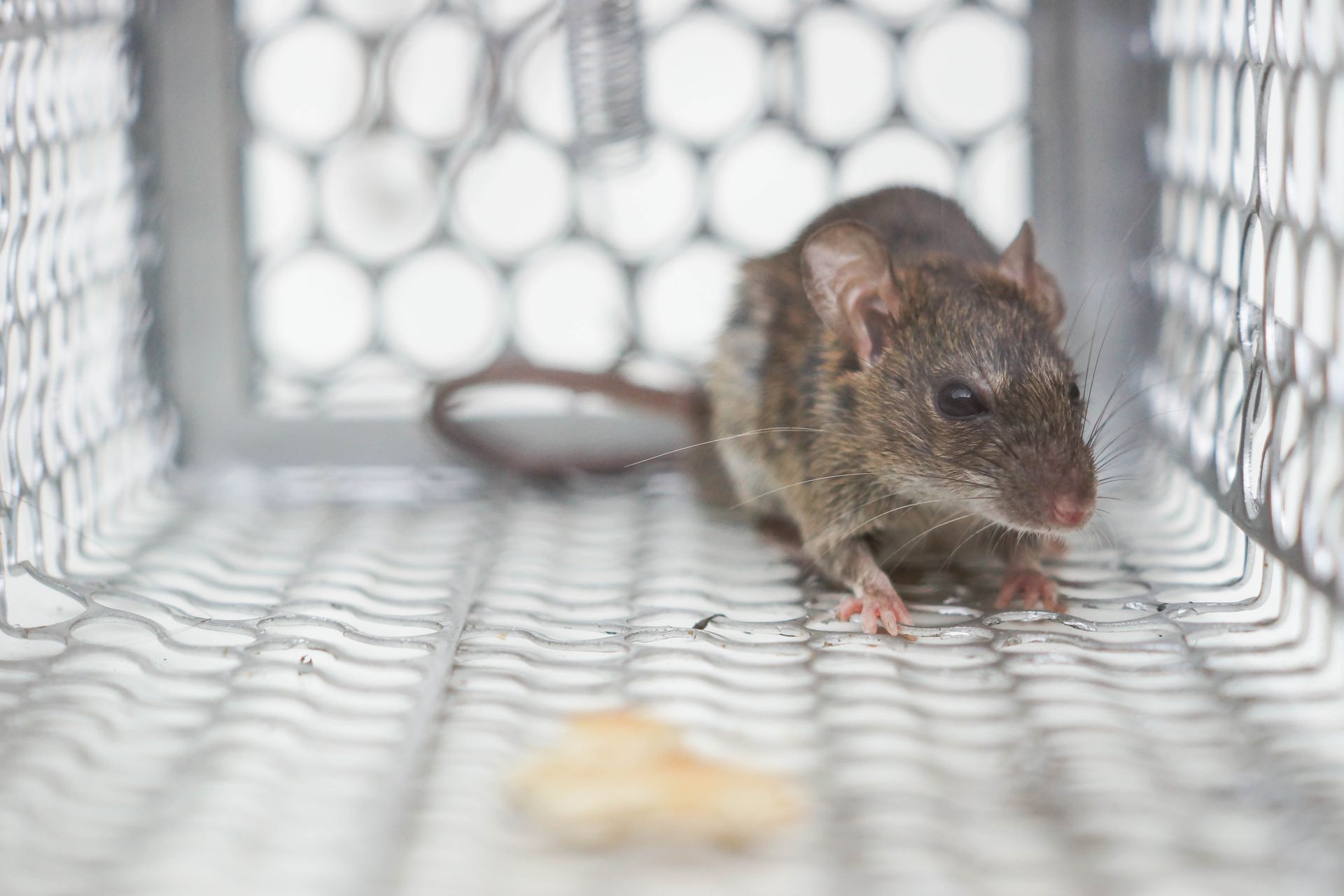
When amateur operators improperly apply or recklessly dispose of excess chemicals, the toxic residues easily contaminate local soil profiles and precious groundwater tables, causing severe harm to non-target wildlife, domestic pets, and beneficial local pollinators like honeybees. Short-term human exposure to misapplied chemicals can result in acute symptoms including severe headaches, dizziness, skin rashes, and sudden respiratory distress, while long-term exposure can lead to chronic health complications. Utilizing an integrated management approach that blends biological remedies, mechanical traps, and targeted baiting systems minimizes ecological disruption while effectively protecting your household.
Warning 3: Overlooking Structural Entry Points and Access Zones
Denying wild animals and insects physical access to your home's interior spaces is a vital component of any defensive pest control strategy. Common structural entry points across modern residential properties include thin foundation cracks, gaps around window frames, rotted fascia boards, and unsealed utility openings where pipes or electrical conduits enter the building structure. Failing to inspect these micro-openings regularly leaves your home highly vulnerable to continuous invasion, regardless of how often you clean your interior living spaces.
Sealing these structural weak points with high-grade, weather-resistant materials provides a highly effective, non-toxic barrier that permanently halts pest migration. Homeowners should complement these structural repairs with smart exterior landscaping habits, such as keeping tree branches trimmed at least six feet away from the roofline and replacing wood mulch with decorative gravel near the foundation to eliminate damp nesting zones.
Warning 4: Failing to Understand Pest Behavior and Seasonal Patterns
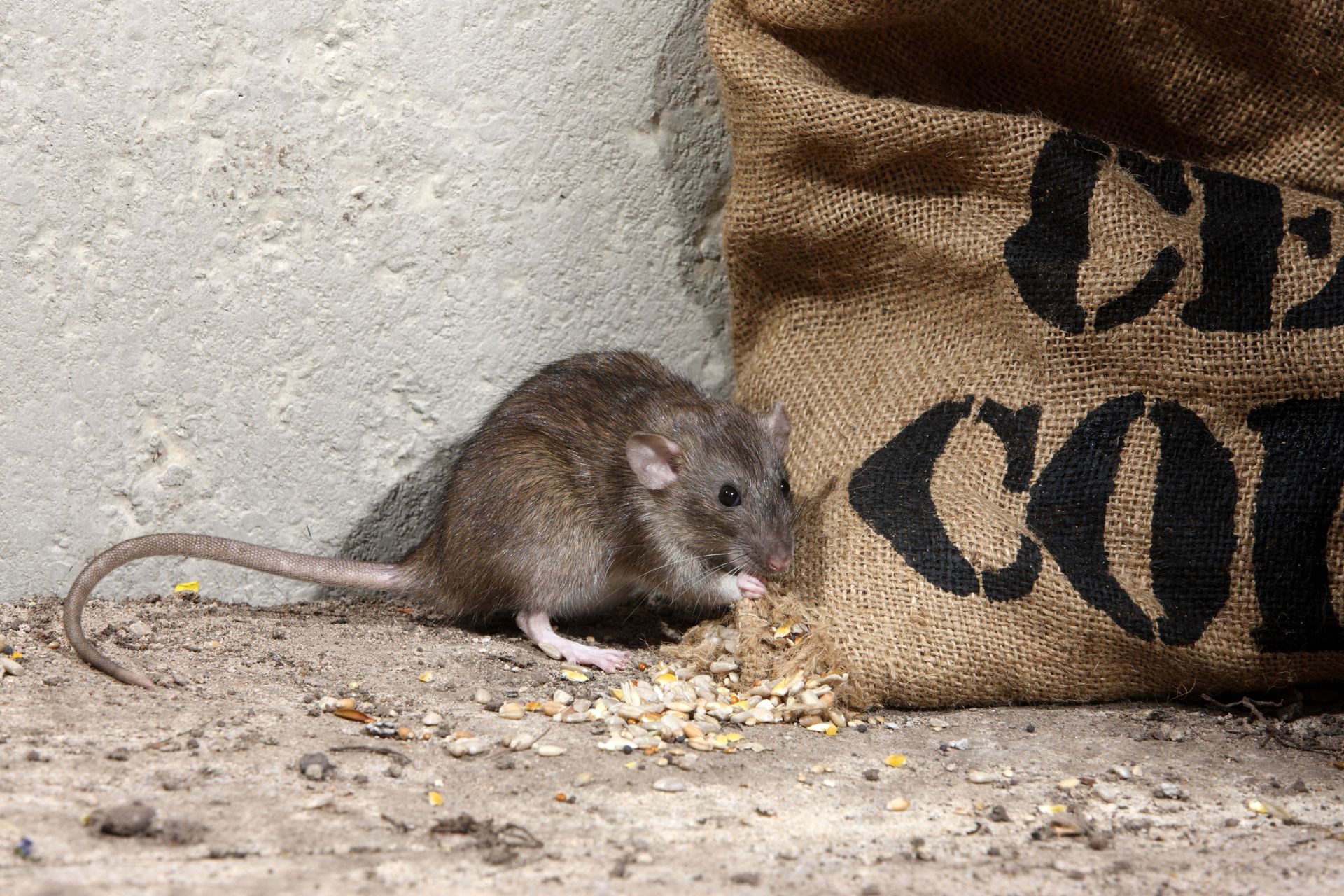
Effective long-term mitigation requires a deep biological understanding of how different species interact with changing seasonal climates. Many destructive insects exhibit highly predictable seasonal habits; for example, wood-boring ants and foraging cockroaches rapidly accelerate their reproductive cycles and food-seeking behaviors during warm, humid summer months. Conversely, wild rodents and overwintering insects actively search for small structural breaches to seek warmth, shelter, and nesting sites inside your insulated attic and crawlspaces as temperatures drop in autumn.
Failing to recognize these distinct biological patterns prevents property owners from deploying preventative barriers at the optimal time of year. Each species possesses unique dietary preferences and specific moisture requirements that dictate exactly where they will nest within your home. By ignoring subtle warning indicators—such as localized wood shavings, rhythmic scratching sounds behind drywall, minor tracking marks, or microscopic fecal droppings—homeowners allow small, easily manageable groups of pests to multiply exponentially into devastating structural infestations.
Warning 5: Neglecting Legal, Ethical, and Landlord Regulations
Modern property management activities are strictly governed by a complex framework of environmental statutes, wildlife protection acts, and safety regulations designed to protect public health and local biodiversity. Pest control activities are subject to a variety of state regulations, which often dictate strict rules regarding chemical permits, humane trapping guidelines for protected migratory birds, and localized wildlife relocation parameters. Homeowners who unknowingly violate these environmental laws by deploying illegal traps or applying restricted-use chemicals risk facing severe municipal fines and potential legal liabilities.
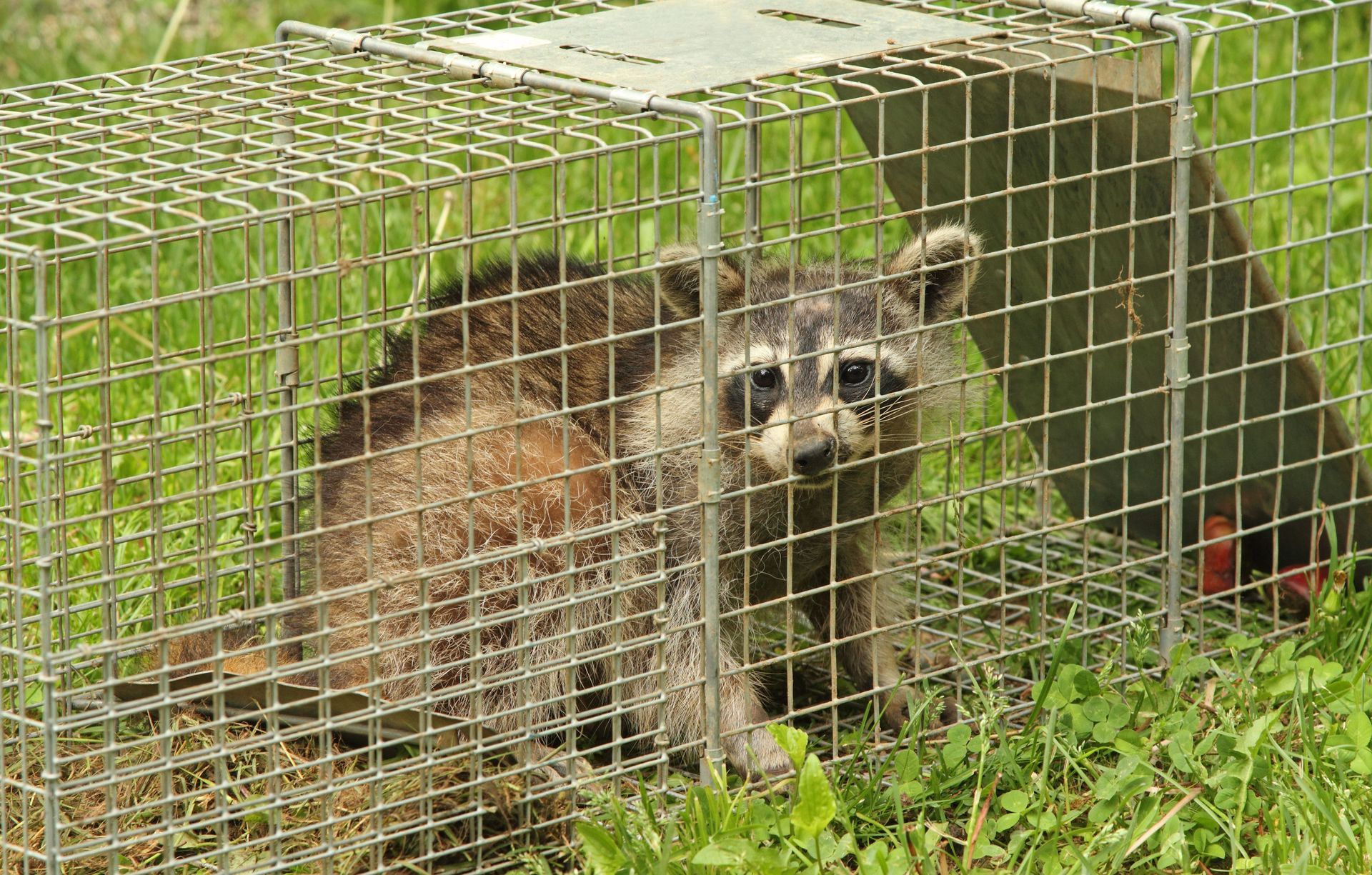
Furthermore, the ethical treatment of native wildlife must remain a priority when managing mammalian intruders like squirrels, raccoons, or bats. When lethal removal methods are entirely unavoidable, they must be executed humanely to eliminate unnecessary animal suffering. It is also important to note that tenancy laws clearly outline distinct pest management obligations for landlords and renters; property owners are legally required to provide a structurally sound, vermin-free living environment, while tenants are obligated to maintain clean sanitary standards and report active structural infestations immediately to prevent widespread building damage.
Warning 6: Hiring Professional Pest Control Services Too Late
Many homeowners make the stressful mistake of treating professional eradication companies as an absolute last resort, waiting until an infestation has already caused extensive, irreversible structural damage to their property. Delaying expert intervention inevitably results in exponentially higher repair costs, as pests like subterranean termites can silently destroy load-bearing wooden studs behind your drywall for months without showing surface symptoms.
When vetting potential service providers, homeowners should carefully evaluate industry credentials, verify current liability insurance policies, and ask detailed questions regarding their specific household safety protocols. Avoid choosing companies based strictly on the cheapest quote; instead, look for established professionals who offer comprehensive structural exclusion services, non-chemical preventative options, and clear, transparent warranties. Investing in a qualified team provides invaluable peace of mind, ensuring your family and property remain completely secure against future biological invasions
Safeguarding your residential property from the continuous threat of structural pests and destructive wildlife requires a proactive, highly informed approach. By understanding the severe limitations of over-the-counter chemicals, sealing vulnerable exterior entry zones, respecting local environmental laws, and recognizing when to step away from DIY solutions, you can preserve your home’s value and protect your family's long-term health.
When you are ready to eliminate infestations with precision, humane methods, and unmatched professional care, place your trust in the premier local experts at America's Wildlife & Pest Control. Contact our office today to schedule a comprehensive property evaluation and let our dedicated team secure your home against pests for good!