May 27, 2026
As the seasons change throughout the year, many homeowners experience an influx of unwanted animal visitors seeking shelter and food. From raccoons invading attics in the winter to bats roosting under eaves during the summer, these seasonal shifts create predictable patterns of animal activity. Navigating these challenges requires specific knowledge and tools. This is exactly where wildlife control companies step in to provide targeted solutions. They understand the biological rhythms that drive animals indoors and use this scientific knowledge to resolve property conflicts effectively. When temperatures drop, animals actively seek the warmth of residential heating systems.
Ignoring a seasonal animal intrusion often leads to worsening conditions over time. Animals breed, create messes, and damage essential building materials while establishing their interior nests. Dealing with these situations early prevents minor inconveniences from turning into costly structural repairs or health hazards. Professionals address these complex issues by combining an understanding of animal behavior with extensive practical field experience. Their methodical approach ensures that animals are handled appropriately while properties receive the necessary physical upgrades to withstand future seasonal pressures. Homeowners who act quickly save themselves significant time and money in the long run.
Comprehensive Inspections to Identify Seasonal Invaders
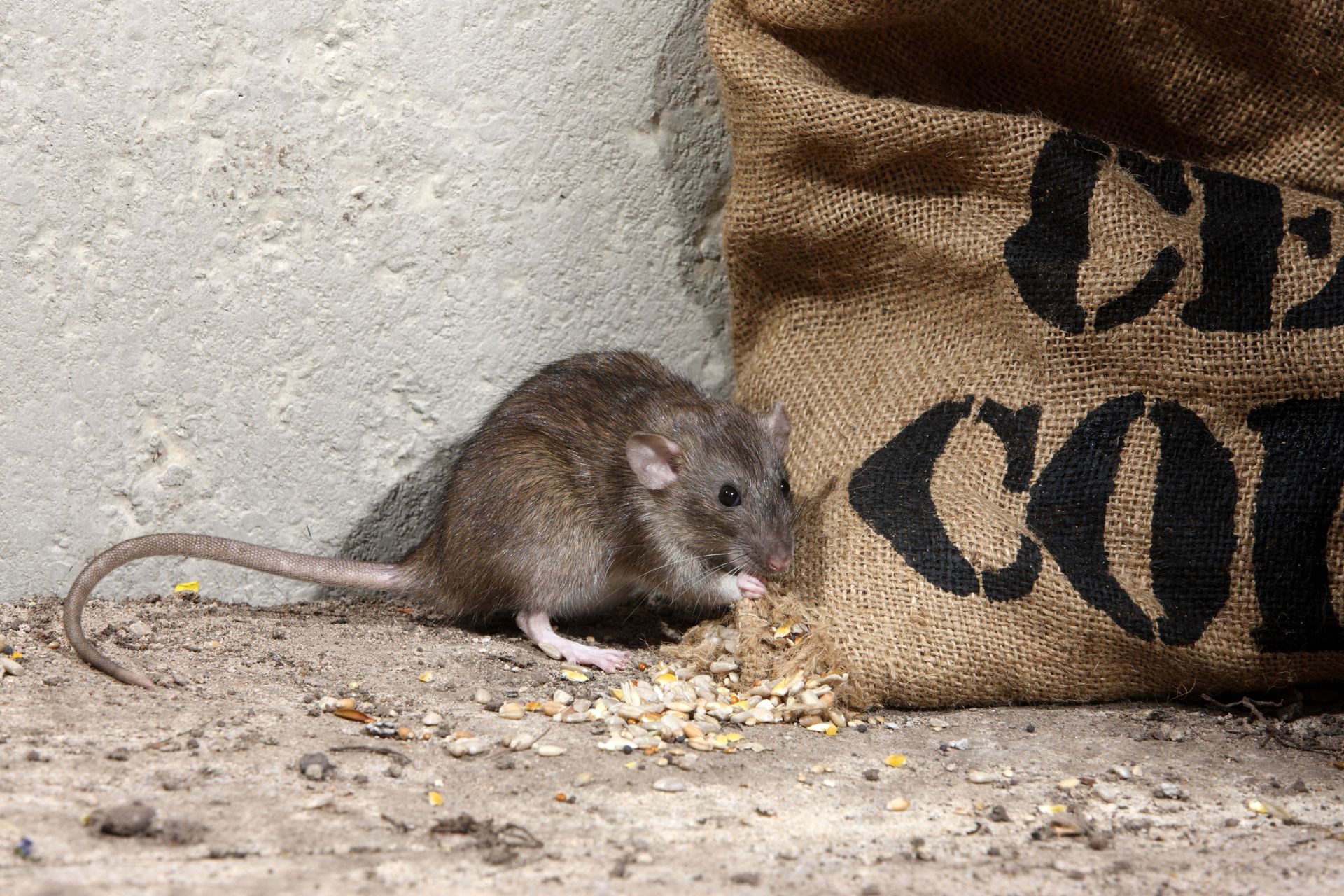
The initial step in addressing any animal problem involves a thorough property assessment. When wildlife control companies arrive at a residence, they look beyond obvious entry signs. They inspect the roof, foundation, vents, and interior spaces like attics and crawlspaces. These professionals know what physical evidence different species leave behind. Chewed electrical wiring might indicate wintering rodents, while muddy smudges on siding point to a spring squirrel problem. Tracking these signs tells the complete story of an infestation.
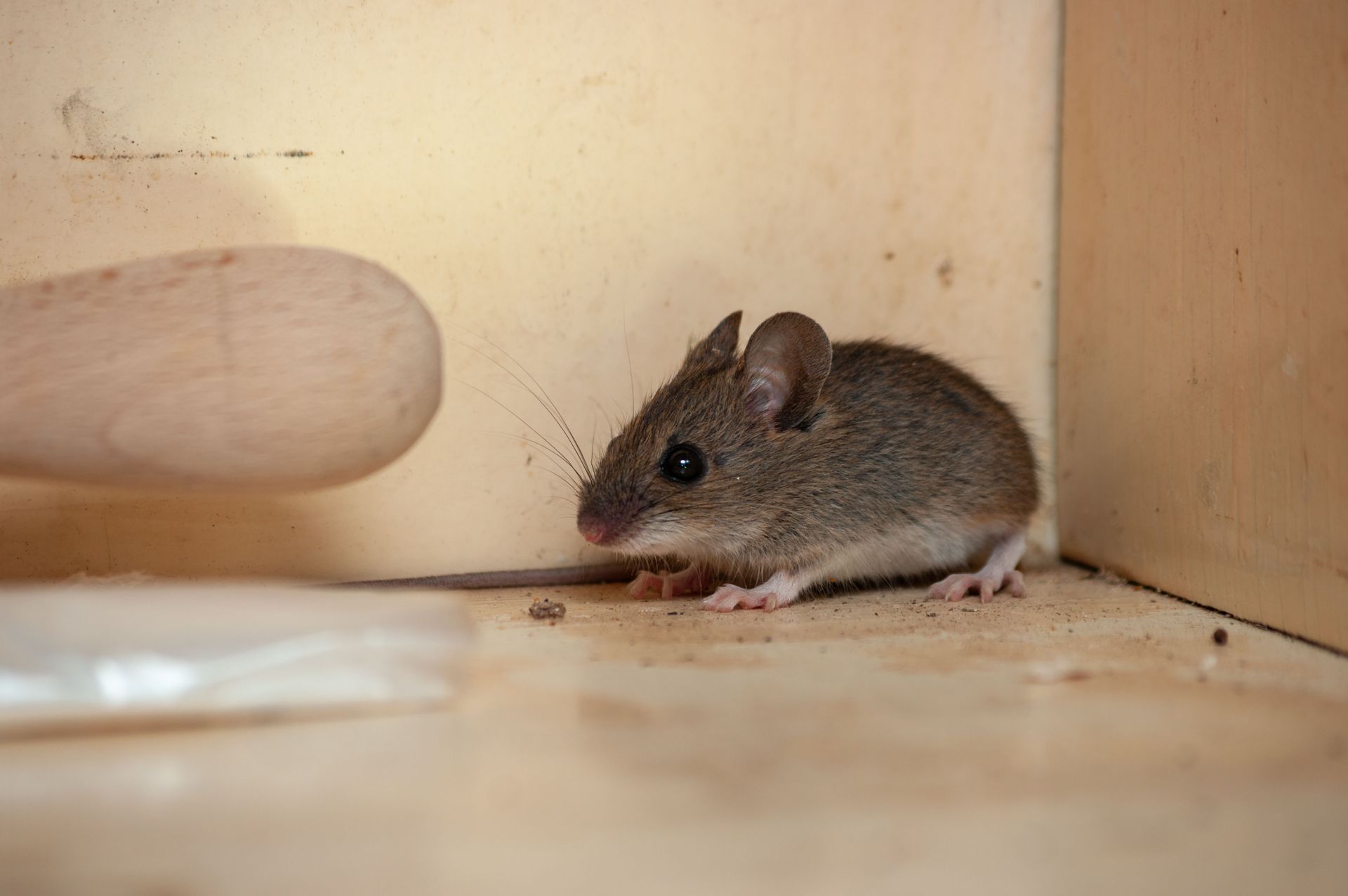
During this detailed inspection phase, technicians map out all current and potential entry points. Even a gap the size of a dime allows mice to enter when autumn temperatures drop. Assessors use advanced tools like thermal imaging cameras to locate hidden nests behind walls or under floors. This evaluation provides a clear picture of the overall infestation scope and helps determine how many animals are living inside the structure. Finding every hidden creature is essential for a successful resolution.
A complete inspection involves evaluating the outdoor environment to understand why animals chose the home originally. Overhanging branches, accessible pet food, or unsecured garbage cans often attract these invaders. By identifying environmental factors, specialists recommend property modifications that reduce the likelihood of future encounters. This holistic view forms the foundation of a successful mitigation plan. It addresses both the immediate physical symptoms and the underlying root causes of the intrusion.
Humane and Targeted Removal Methods
Once professionals identify the species and locate main access points, they develop a safe removal plan. The methods used depend heavily on the season and the exact animal involved. During spring, many species are actively raising young inside homes. Removing a mother without locating her babies leads to unfortunate outcomes and unpleasant odors. Specialists know how to safely extract entire family units together, so they can be safely released.
Modern wildlife control companies prioritize humane handling techniques that minimize physical stress on captured animals. Instead of relying on lethal measures, they frequently utilize specially designed one-way exclusion doors. These devices allow animals to exit the building naturally to forage for their food, but prevent them from re-entering. After a few days of monitoring, technicians verify the property is clear. This strategy proves effective for active species like bats and squirrels during busy seasons.
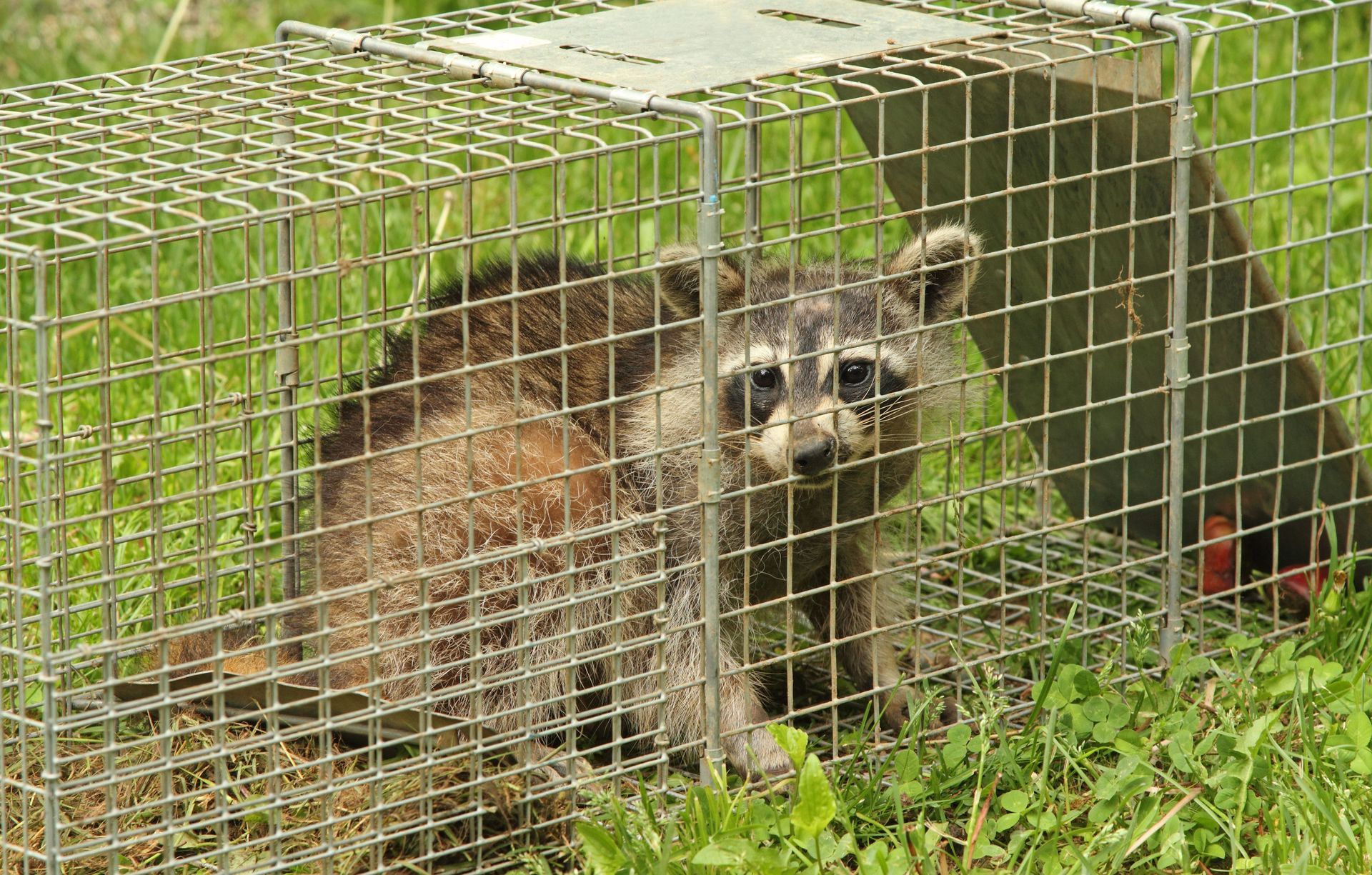
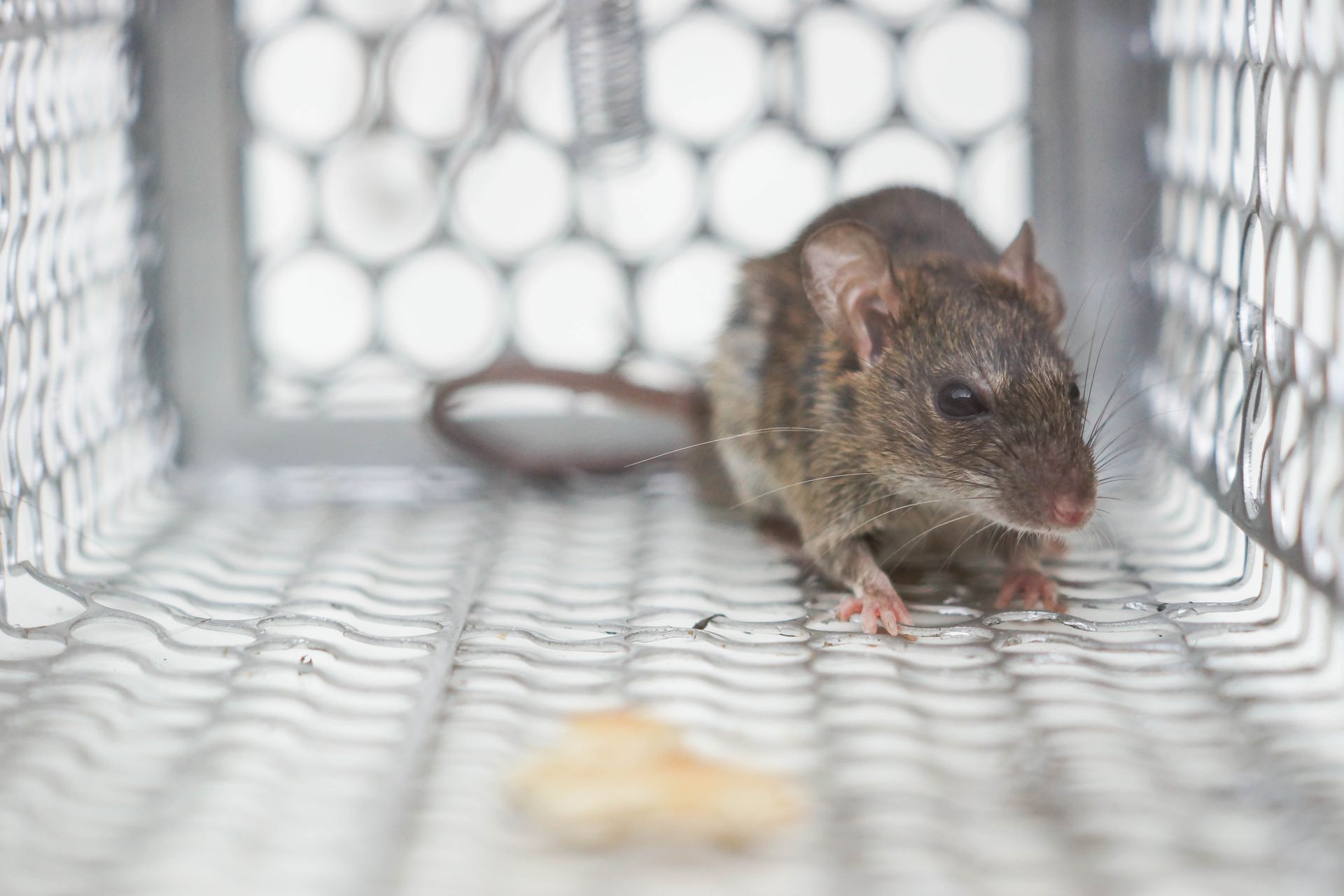
When one-way exclusion doors aren't viable options, professionals use live traps baited with species-specific food lures. They place traps strategically along known travel paths and check them regularly so animals do not languish inside. Hand-capturing is also employed for slow-moving or trapped animals. According to the University of Nebraska-Lincoln, 77% of U.S. states have specific activities for nuisance wildlife control. This reflects the regulated nature of humane removal processes across the country.
Structural Exclusion and Prevention Solutions
Removing offending animals solves the immediate crisis, but preventing their return provides long-term peace of mind. Without sealing exterior entry points, a vacated attic becomes an open invitation for the next wave of animals. Therefore, wildlife control companies emphasize exclusion work. This process involves fortifying the building exterior using durable materials that animals cannot chew through or bypass.
Technicians use heavy-gauge steel mesh to cover vulnerable vents, chimneys, and gaps along the roofline. They apply waterproof sealants to foundation cracks and install sturdy metal caps on chimney flues. These materials withstand weather extremes and resist the persistent scratching of determined rodents or raccoons. Regular silicone caulk or expanding spray foam usually fails against a motivated animal trying to return to an established nest.
Exclusion strategies must adapt perfectly to the unique architectural features of every home. A historic house with slate roofing requires a different approach than a modern home with vinyl siding. Wildlife control companies customize physical prevention techniques to match the building structure while maintaining its aesthetic appeal. By the time the exclusion phase is complete, the home is completely secure against the influx of wildlife arriving with changing seasons.
Property Damage Repair and Waste Clean-Up
Wild animals rarely leave an interior space in the condition they found it. Their nesting behaviors cause destruction to building materials. Raccoons often tear apart HVAC ducts and trample insulation, reducing home energy efficiency. Rodents constantly chew through live electrical wires, creating structural fire hazards inside walls. Addressing this damage is a critical component of the resolution process. Professionals assess the extent of destruction and recommend necessary repairs.
Beyond physical damage, seasonal invaders leave behind concentrated biological waste. Droppings, urine, and shed fur contaminate the enclosed environment and pose respiratory health risks to occupants living below. Diseases easily transmit through airborne particles when accumulated waste dries and degrades. Cleaning up this hazardous material requires protective gear, industrial vacuums, and professional-grade antimicrobial liquid treatments to ensure the space is thoroughly sanitized.
During cleanup, soiled attic insulation is removed and discarded into sealed containers. Technicians treat the affected area with liquid enzymes that break down organic matter and eliminate lingering animal odors. These odors otherwise attract new animals seeking established territory. Finally, wildlife control companies often install fresh insulation to restore the thermal barrier. This comprehensive structural restoration leaves the space clean, safe, and functional.
Handling residential animal intrusions involves much more than catching a pest in a wire box. It is a detailed, multi-step process demanding technical skill, knowledge of animal biology, and construction expertise. When seasons transition, environmental pressure on structures increases as wild animals seek favorable indoor environments. Fortunately, professionals possess the strategies needed to manage these cyclic challenges. They provide end-to-end property services covering everything from the initial assessment to final sanitation.
Homeowners experiencing an animal intrusion don't have to navigate the resulting stress and mess alone. By relying on established professional methods, property owners ensure animals are treated humanely and homes are protected against future breaches. Addressing a seasonal infestation promptly guarantees a safer indoor living environment. Professional intervention can transform a vulnerable residential house into a secure structural fortress against the pressures of the natural world.
If you're dealing with a seasonal infestation, contact America's Wildlife & Pest Control today. We stand out among wildlife control companies by safely removing animals and keeping your home secure year-round.